Call to schedule: (817) 404-7405
Parker CountyBeef Processing

Foodservice & Wholesale

Cut to spec, every time

Portion-cut steaks to a weight, patties, roasts sized for a menu, and case-ready boxes, all under USDA inspection. For restaurants, butcher shops, and the ranchers who supply them.

Who We Cut For

Kitchens, counters, and the ranchers behind them

A local-beef program falls apart on consistency: the chef needs the same steak on Tuesday that was on the menu Friday. That is a cutting problem, not a cattle problem, and it is what this floor is set up to solve. Because we run under federal inspection, FSIS Establishment 2918, the beef can be served, resold, or shipped anywhere.

  • Restaurants and steakhouses

    A chef who wants a 14-ounce ribeye that is 14 ounces every time, from a local animal with a story the server can tell. Portion weight, thickness, trim level, and packs per case are set once and repeated.

  • Butcher shops and farm stores

    Retail counters that buy whole or half carcasses fabricated to their case plan as finished retail cuts, labeled or unlabeled.

  • Ranchers supplying a kitchen

    The most common arrangement. The rancher owns the animal, the restaurant buys the beef, and we cut to the kitchen's spec. Both parties get the weight report.

  • Caterers, meal-prep, and institutions

    Volume ground beef, 1/3 lb patties, stew and cutlets in one-pound packs, and roasts sized for a crowd.

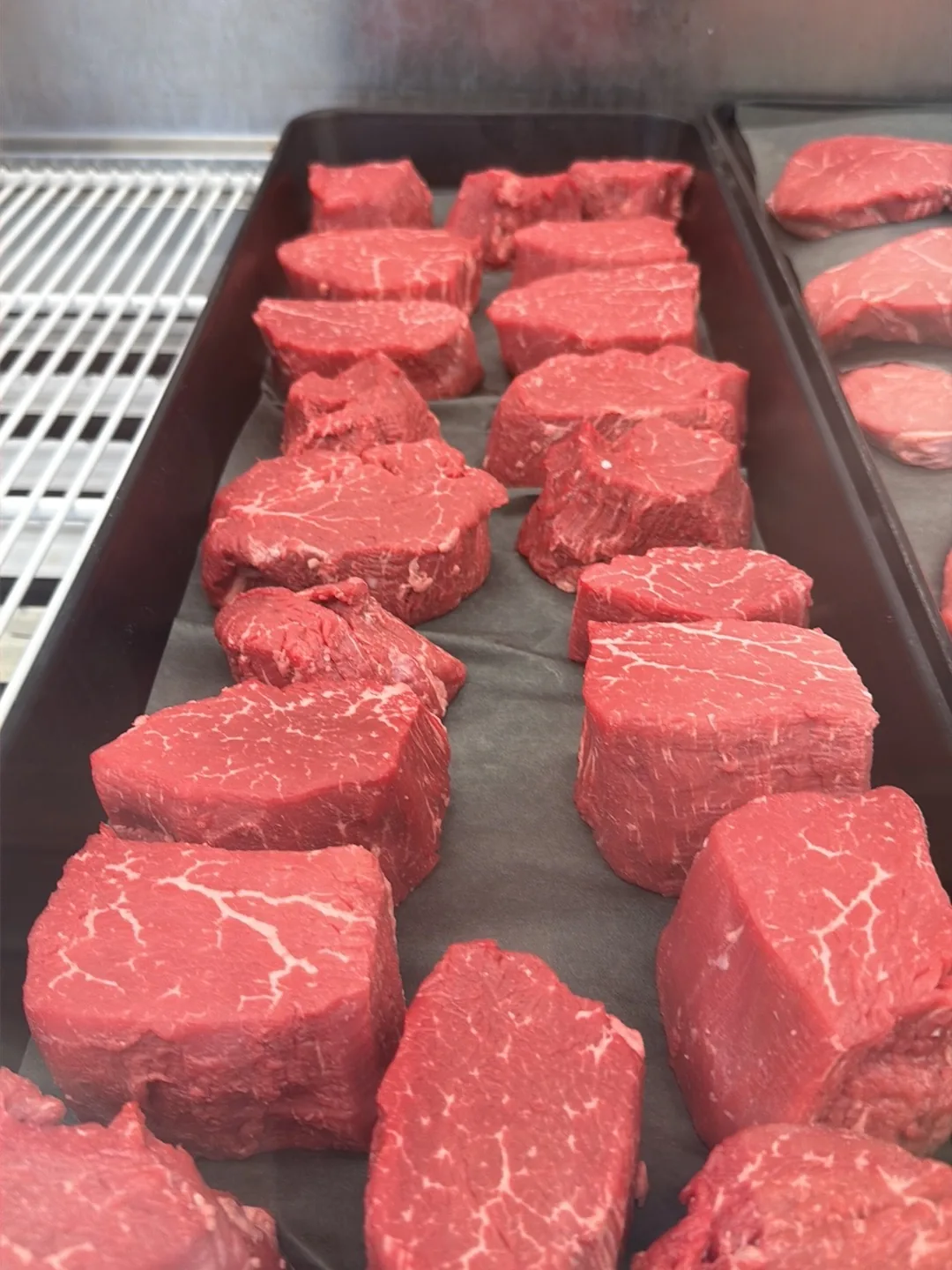
Tenderloin filets cut to thickness and lined up on a tray
Filets portioned to thickness.

What You Can Specify

The spec sheet, cut by cut

A foodservice spec replaces the standard cut sheet. These are the decisions on it.

CutOptionsYou specify
SteaksRibeye, strip, filet, sirloin, picanha, tri tip, chuck eye, DenverTarget weight or thickness, bone-in or boneless, trim level, steaks per pack
PattiesGround beef patties, 1/3 lb, 3 per pack in 1 lb packagesLean-to-fat ratio, number of 20 lb lots
Ground beefBulk grind at the ratio you specify, coarse chili grind availableRatio, package size, total pounds
Roasts and braising cutsChuck, rump, Pikes Peak, arm, brisket whole or split, short ribs, tablitas, dino ribs, shanksRoast weight range, bone-in or boneless, whole or portioned
Trim, bones, and offalKidney fat for tallow, marrow and soup bones, oxtail, cheek, tongue, heart, liverWhich items, package size

Bone-in loin steaks (T-bone, porterhouse) are not available on animals over 30 months under USDA rules. Everything else on this table is.

Menu Planning

How many animals a season needs

Portion counts per animal depend on the carcass, the trim, and how much of the middle meats you take as steaks versus grind. We do not publish a table because kitchens hold us to it.

What we do instead: on the spec call we take your portion weights and a typical carcass weight from your rancher and give you a planning estimate for that animal type. After the first animal, the weight report and package count replace the estimate with real numbers, and every animal after that gets more predictable.

The underlying arithmetic, live weight to hanging weight to boxed weight, is in hanging weight vs. take-home weight. The one-primal-one-way rule that makes steaks and ground beef trade against each other is in the cut sheet guide.

How It Works

From spec call to case

  1. 01

    Spec call

    Fifteen minutes with whoever writes the menu or the case plan. We walk through each cut, weight, trim, and pack count and write it up as a spec sheet you approve.

  2. 02

    Source the animal

    Your rancher's cattle or your own. The animal comes to us under USDA inspection like any other; the spec sheet replaces the standard cut sheet.

  3. 03

    Age 14 days, then cut to spec

    Every animal gets the same 14-day wet age on subprimals. Then steaks are portioned to weight, patties pressed, roasts sized, and everything vacuum sealed.

  4. 04

    Case-pack and report

    Packed to your count per case, labeled with product name and net weight, blast frozen. The weight report doubles as the invoice detail and your receiving sheet.

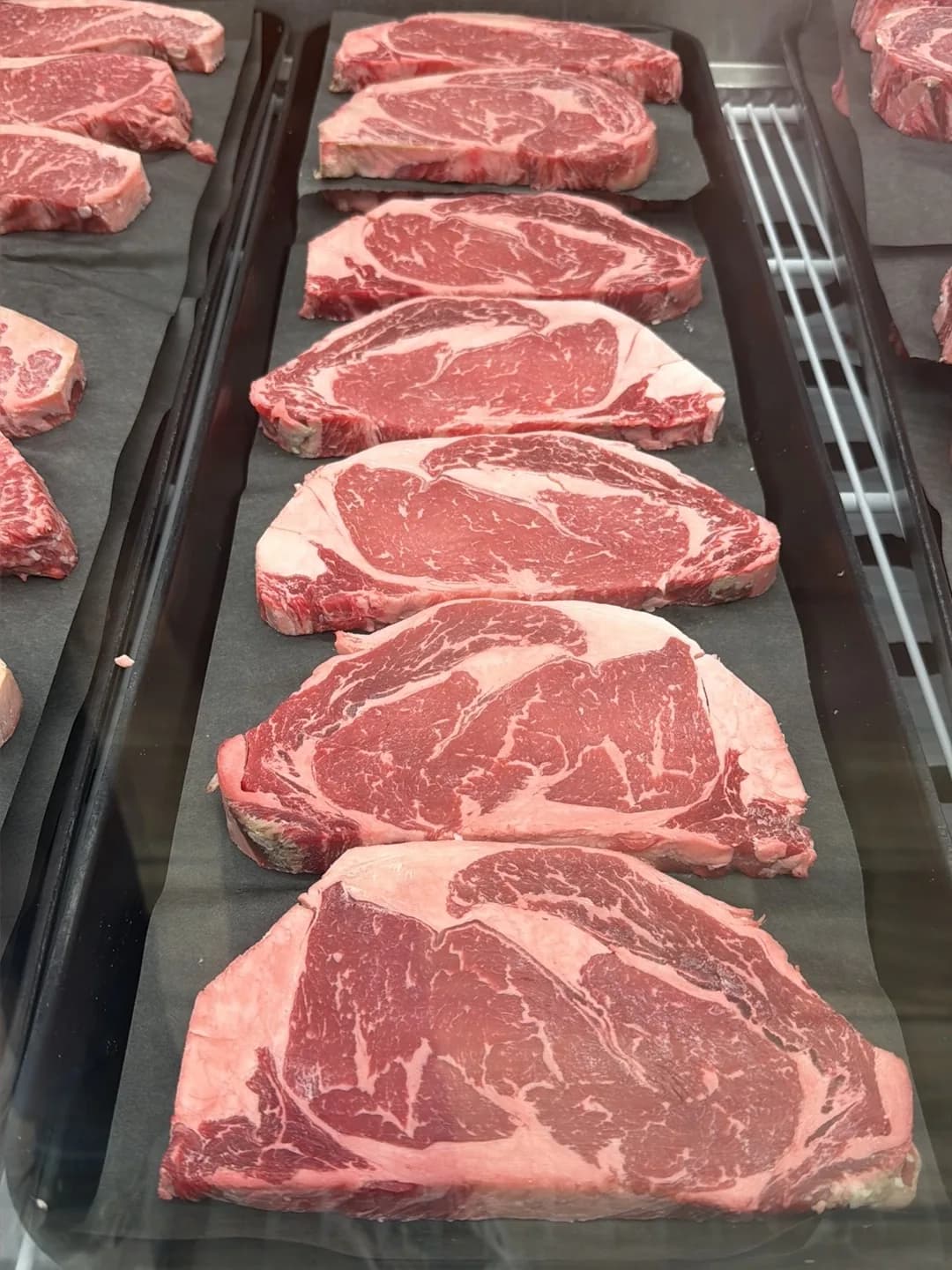
Fresh-cut ribeye and strip steaks laid out on trays in the cutting room
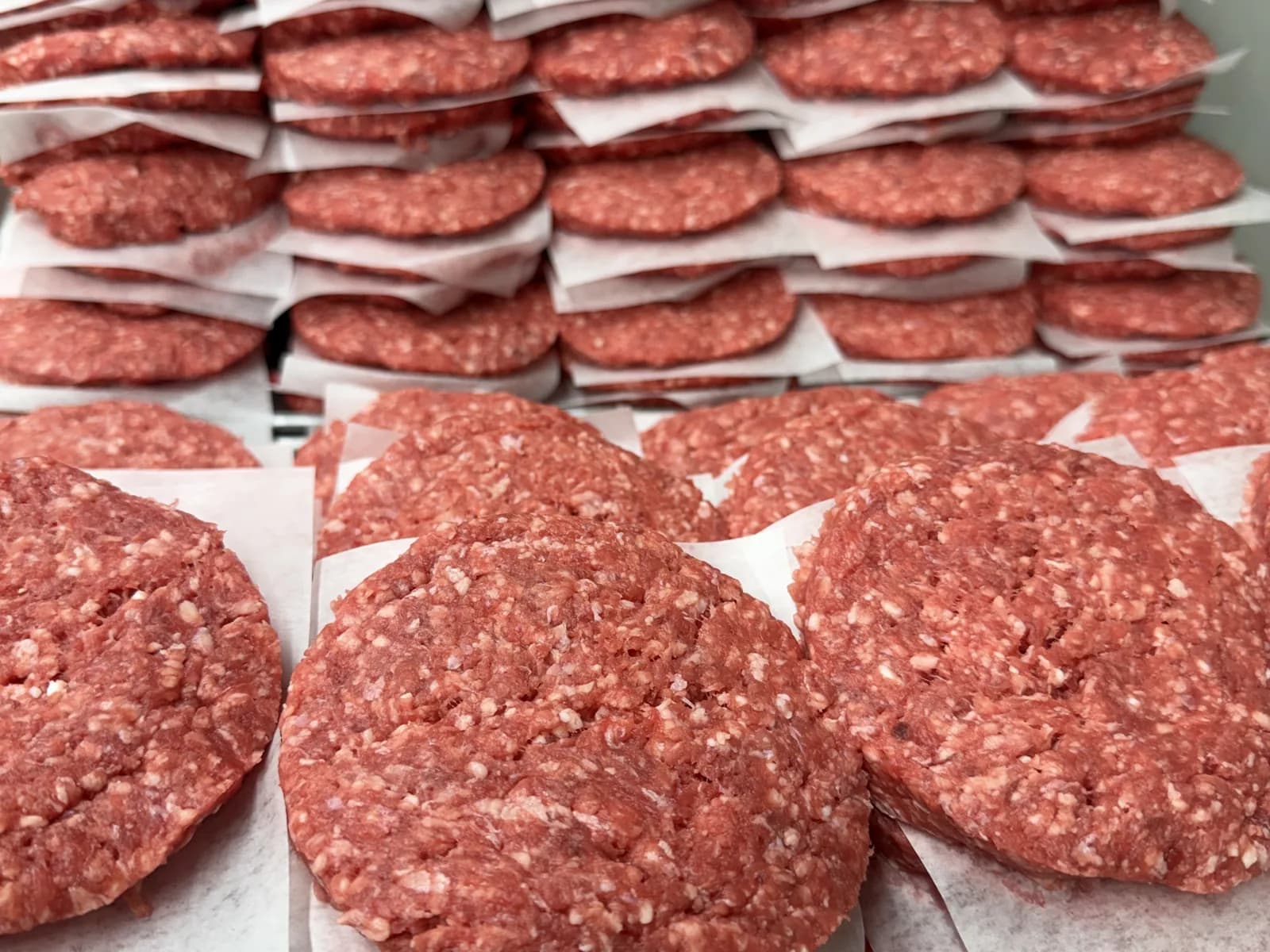
Close-up of stacked ground beef patties ready for packaging
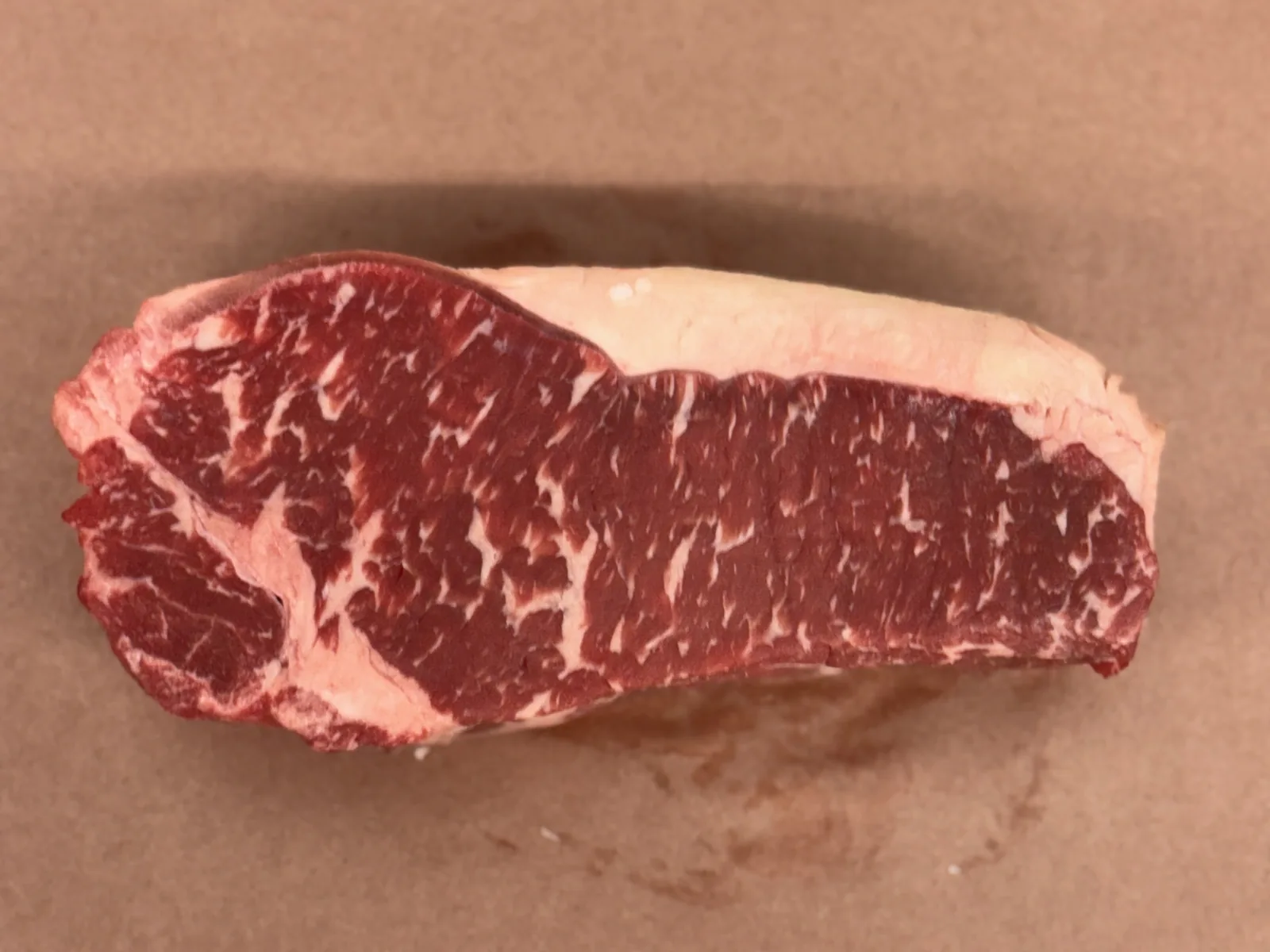
A New York strip steak on butcher paper
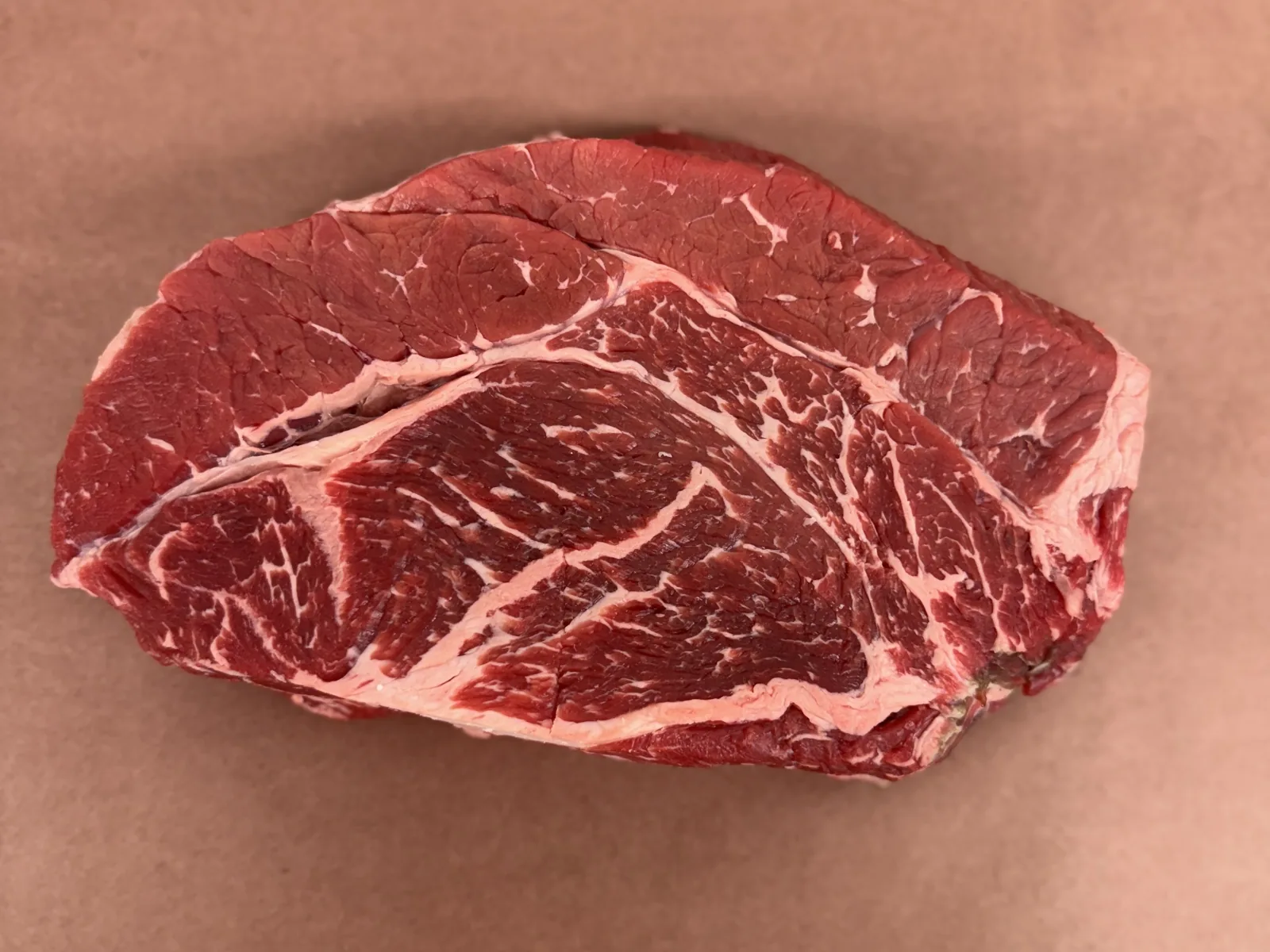
A chuck steak on butcher paper, showing the blade seam

The Common Arrangement

Rancher, plant, kitchen

Most restaurant beef programs in North Texas work the same way. A rancher raises and owns the animal. The restaurant agrees to buy the beef, usually by the animal or the half, at a price the two of them set. We harvest under inspection, cut to the kitchen’s spec, and case-pack. Both parties get the weight report, which settles the invoice, and the labels carry the federal mark the restaurant’s supplier file needs.

We do not sit in the middle of that transaction. The rancher pays for processing; the kitchen pays the rancher for beef. If you are a restaurant without a rancher, or a rancher without a restaurant, call anyway. We talk to both every week.

Bring to the spec call

  • The cuts on your menu or in your case, with target weights
  • Trim preference: how much fat cap stays on
  • Packs per case and how you receive product
  • Who owns the animal and who is paying for what
  • Your inspection paperwork requirements, if any

Selling under your own brand instead? See private label.

Questions

Foodservice questions

Can a restaurant have beef processed at Parker County Beef Processing?
Yes. We operate under USDA federal inspection, FSIS Establishment 2918, so beef cut here can be served or resold anywhere in the United States. Most restaurant work is a three-party arrangement: a rancher supplies the animal, we cut to the kitchen's spec, and the restaurant buys the beef.
Can you portion steaks to an exact weight?
Yes. Give us a target weight and a tolerance, or a thickness, plus trim level and packs per case. Portioning to weight means fewer steaks from a lighter animal and more from a heavier one; we give you a planning estimate on the spec call and real counts on the weight report.
What do I need to give my supplier paperwork people?
Our USDA establishment number, 2918, which they can look up in the FSIS inspection directory, and the product labels, which carry the federal mark, product name, and net weight. If they need anything else, have them call us directly.
Is foodservice cutting included in the flat fee?
No. The flat fee, $850 whole or $450 half, covers standard processing to a cut sheet. Portioning to weight, case-packing to count, and label work are quoted per project and agreed before harvest.
Do you supply the cattle?
This site is about processing cattle you or your rancher already own. If you are looking for a beef supplier rather than a processor, call and we will point you in the right direction.
Do you deliver to Fort Worth or Dallas?
Pickup is at the plant in Springtown, frozen and case-packed. For standing programs, call and we will talk through logistics rather than promise something on a web page.
How consistent is the beef from animal to animal?
As consistent as the cattle. Portioning to weight makes each steak the same size, but marbling and yield follow the animal's breed and finish. A restaurant program works best with a rancher who can supply a consistent type of animal, and we will tell you honestly what we see on the rail.

Start with a spec call

Fifteen minutes with the person who writes the menu. We will write the spec up, quote the cutting, and tell you what one animal will put on the plate.

Monday–Friday, 10am–6pm